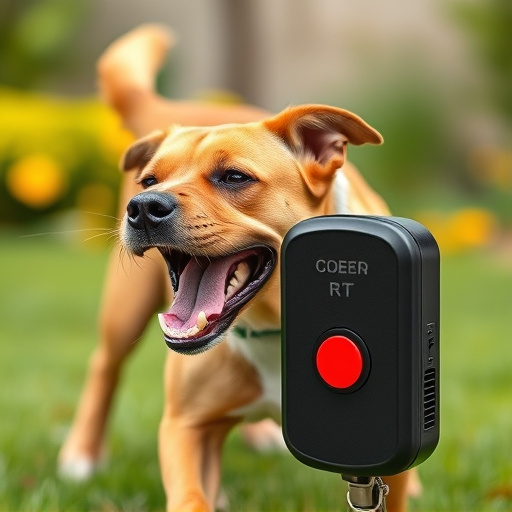
Handheld sonic dog deterrents effectively address unwanted canine behaviors (such as excessive barking or aggression) through inaudible, high-frequency sound waves (25-64 kHz). These devices provide immediate feedback, training dogs to associate specific sounds with certain behaviors and modify their responses over time. Combining the right device with consistent training methods and regular evaluations is key to achieving optimal results, ensuring positive behavior changes without harmful physical or verbal corrections.
“Unleashing the Power of Sound: Exploring Canine Behavior Modification with Ultrasonic Systems”
Canine behavior modification has evolved, introducing innovative tools like handheld sonic dog deterrents. This article delves into understanding canine behavior and how ultrasonic systems can be effective training aids. We explore the science behind these devices, focusing on their portability and ability to emit specific sounds that deter unwanted behaviors. By evaluating their effectiveness, pet owners can make informed decisions, ensuring a peaceful coexistence with their furry friends while maintaining a consistent training routine.
- Understanding Canine Behavior and Ultrasonic Systems
- How Handheld Sonic Dog Deterrents Work
- Evaluating the Effectiveness of Ultrasonic Systems for Dogs
Understanding Canine Behavior and Ultrasonic Systems
Canine behavior is a complex interplay of nature and nurture, shaped by genetic predispositions and environmental influences. Understanding these nuances is crucial when employing behavior modification techniques, especially with tools like handheld sonic dog deterrents. These devices emit ultrasonic sounds that are inaudible to humans but can effectively communicate with dogs, triggering specific responses such as stopping unwanted behaviors or avoiding certain areas.
The effectiveness of handheld sonic dog deterrents lies in their ability to provide immediate feedback and reinforcement. When a dog engages in an unwanted behavior, the device emits a high-frequency sound that disrupts its focus, causing it to pause and reevaluate. Over time, consistent use can train dogs to associate certain environments or behaviors with this sound, leading to desirable modifications. This approach not only addresses immediate concerns but also fosters positive reinforcement, making it a valuable tool for responsible pet ownership and canine behavior management.
How Handheld Sonic Dog Deterrents Work
Handheld sonic dog deterrents operate by emitting high-frequency sound waves that are inaudible to humans but uncomfortable for dogs. These devices use ultrasonic technology, producing sounds typically between 25 to 64 kHz, beyond the range of human hearing. However, dogs have a much more sensitive auditory system, allowing them to perceive these frequencies. When activated, the device emits a consistent sound that can vary in intensity and tone. The primary principle behind its effectiveness lies in the dog’s startle response. The sudden, high-pitched noise surprises the animal, interrupting their behavior pattern and effectively deterring unwanted actions like barking, jumping, or aggression.
Over time, consistent use of these deterrents can train dogs to associate certain sounds with specific behaviors, leading to a modification in their responses. As the dog learns that the sound is a consequence of undesired conduct, they become more conditioned to behave appropriately when the ultrasonic signal is triggered. This method offers a humane alternative to traditional punishment-based training, focusing on positive reinforcement and adjustments in behavior through acoustic cues rather than physical or verbal corrections.
Evaluating the Effectiveness of Ultrasonic Systems for Dogs
Evaluating the effectiveness of ultrasonic systems for dogs involves understanding their mode of action and specific applications. These handheld sonic dog deterrents emit high-frequency sound waves that are inaudible to humans but can be perceived as uncomfortable or distressing to canines. Research suggests that these devices can successfully modify canine behavior, particularly in instances like excessive barking, aggression, and fear responses. The key lies in their ability to provide immediate feedback without causing harm, allowing dogs to associate certain behaviors with unpleasant sensations.
However, the effectiveness varies based on factors such as dog breed, sensitivity to sound, and the specific trigger for their behavior. While many owners report positive results, others find limited success or even no impact. It’s crucial to choose the right device designed for canine use and combine it with consistent training methods for optimal results. Regular evaluation of the dog’s response is essential to ensure the ultrasonic system remains effective and does not cause any adverse effects.
Handheld sonic dog deterrents have emerged as a popular tool for managing canine behavior, particularly in addressing unwanted actions like barking and aggression. While their effectiveness varies among dogs due to individual sensitivity and training methods, numerous studies suggest that these ultrasonic systems can significantly reduce problem behaviors. By emitting high-frequency sound waves, these devices create an unpleasant experience for dogs without causing harm, offering a safe and humane alternative to traditional punishment methods. When combined with positive reinforcement training, handheld sonic dog deterrents show promise in fostering desirable behaviors, making them valuable tools for responsible pet ownership.