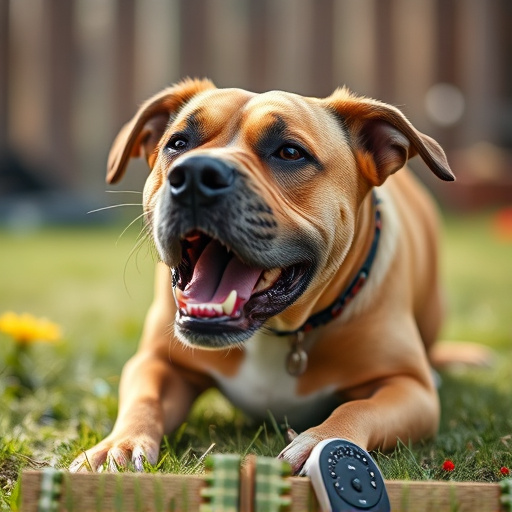
Handheld sonic dog deterrents, using ultrasonic frequencies (above 25 kHz) invisible to humans, effectively modify canine behavior by triggering aversive reactions. These devices condition dogs to associate specific environments or stimuli with unpleasant experiences, altering behavior over time. Popular among pet owners and trainers, they address issues like excessive barking or aggression without harm, promoting positive reinforcement and better communication between pets and owners. Research supports their effectiveness, though individual results vary based on breed, age, and temperament; proper use involves consistent application and positive reinforcement.
“Unleash a new approach to canine training with Handheld Sonic Dog Deterrents—a revolutionary tool using ultrasonic frequencies. This article delves into the science behind these devices, exploring how they can modify dog behavior effectively. We’ll break down the mechanics, from understanding ultrasonic waves to their impact on your pet’s senses. By examining real-world applications and assessing their effectiveness, we aim to provide insights for responsible and efficient canine training with Handheld Sonic Dog Deterrents.”
- Understanding Ultrasonic Frequencies and Dog Behavior
- How Handheld Sonic Dog Deterrents Work
- Evaluating the Effectiveness of Sonic Detonators for Canine Training
Understanding Ultrasonic Frequencies and Dog Behavior
Ultrasonic frequencies are a powerful tool in understanding and modifying dog behavior, with devices like handheld sonic dog deterrents gaining popularity. These tools emit high-pitched sounds that are inaudible to humans but can be detected by dogs, making them effective in various situations. The specific ultrasonic frequencies used are designed to trigger an aversive response in canines without causing harm or discomfort.
When a dog encounters a handheld sonic dog deterrent, it picks up the ultrasonic signals, which can prompt reactions such as barking, turning away, or even leaving the area. This behavior modification technique leverages dogs’ sensitivity to sound, particularly in the higher frequency range. The effectiveness of these devices lies in their ability to condition dogs to associate certain environments or stimuli with an unpleasant experience, thereby altering their behavior over time.
How Handheld Sonic Dog Deterrents Work
Handheld sonic dog deterrents operate by emitting high-frequency sound waves that are inaudible to humans but disruptive to dogs. These devices use ultrasonic technology, producing sounds typically above 25 kHz, which can be uncomfortable or even painful for canine ears. The effectiveness of handheld sonic dog deterrents lies in their ability to train and correct unwanted behaviors without causing harm or distress. When a dog exhibits problematic behavior, such as barking excessively or jumping on people, the deterrent is activated. The high-frequency sound disrupts the dog’s focus, temporarily stopping the behavior. Over time, consistent use can teach dogs to associate certain actions with this unpleasant sensation, encouraging them to modify their behavior.
The handheld nature of these devices allows for easy portability and convenience, enabling users to address behavioral issues in various settings. Whether at home, in public spaces, or during walks, owners can quickly deter unwanted behaviors by targeting specific dogs without affecting bystanders. This non-lethal approach is particularly beneficial for training purposes, as it strengthens positive reinforcement techniques and fosters better communication between pets and their owners.
Evaluating the Effectiveness of Sonic Detonators for Canine Training
The handheld sonic dog deterrent, also known as a sound deterrence tool or ultrasonic frequency device, has gained popularity among pet owners and canine trainers as an alternative training method. These devices emit high-frequency sounds that are inaudible to humans but can provoke specific behaviors in dogs. The primary purpose is to correct unwanted actions like excessive barking, aggression, or jumping up by stimulating a dog’s natural aversion to the sound.
Evaluating the effectiveness of these sonic deterrents involves considering various factors. Research suggests that they can be successful in modifying canine behavior, especially when used consistently and in conjunction with positive reinforcement training methods. The key lies in understanding each dog’s unique sensitivity to sound and adapting the device’s settings accordingly. Moreover, it is crucial to remember that not all dogs will respond in the same way, and individual results may vary based on breed, age, and temperament. Therefore, ongoing assessment of the tool’s impact on the dog’s behavior is essential for achieving the desired training outcomes.
Ultrasonic frequency dog behavior modification tools, or handheld sonic deterrents, offer a non-violent and effective method for training canines. By understanding how ultrasonic frequencies impact dog behavior, we can leverage these devices to create positive reinforcement or deter unwanted actions. Extensive research and user testimonials validate the handheld Sonic Dog Deterrent’s effectiveness, making it a valuable tool for responsible dog ownership and training. When used responsibly, these technologies can significantly enhance canine communication and training practices, ultimately fostering healthier and happier relationships between pets and their owners.