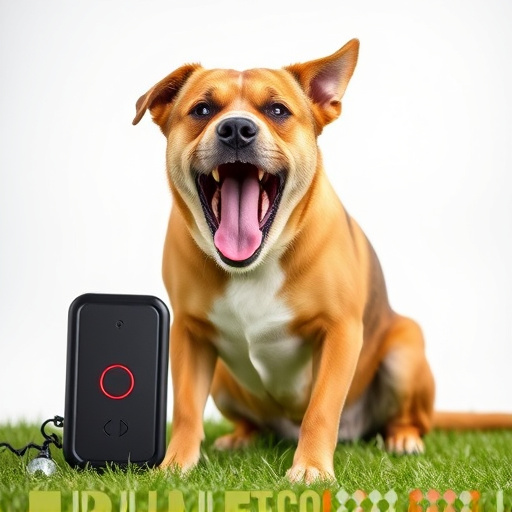
Handheld sonic dog deterrents emit inaudible high-frequency sound waves to modify canine behavior, effectively addressing issues like excessive barking or jumping. Backed by studies and satisfied owners, this humane method provides immediate feedback, encouraging positive actions without causing harm. However, responsible use is crucial to prevent potential side effects, with owners following manufacturer guidelines and monitoring their dog's response.
Sonic dog training, employing handheld devices for behavioral correction, has gained popularity as a non-violent approach to pet care. This innovative method uses ultrasonic sounds to deter unwanted behaviors without causing harm. The article explores how these devices operate and assesses their effectiveness in modifying canine behavior. We also delve into responsible usage guidelines and potential side effects, highlighting the importance of understanding both the benefits and limitations of handheld sonic dog deterrents.
- Understanding Sonic Dog Training: A Non-Violent Approach
- How Handheld Devices Work for Behavioral Correction
- Evaluating the Effectiveness of Sonic Deterrents
- Responsible Use and Potential Side Effects
Understanding Sonic Dog Training: A Non-Violent Approach
Sonic dog training is a modern, non-violent approach to behavioral correction that utilizes a handheld device emitting high-frequency sound waves. This innovative method has gained popularity for its effectiveness in addressing unwanted canine behaviors without resorting to physical punishment or harsh training methods. The handheld sonic dog deterrent emits an ultrasonic tone, which is inaudible to humans but can be detected by dogs, reinforcing positive behavior and deterring negative actions.
This technology is based on the principle that dogs respond to specific sounds, and when paired with positive reinforcement, it becomes a powerful tool for training. By targeting unwanted behaviors like barking excessively or jumping on guests, the sonic device provides an immediate, gentle correction. Its effectiveness has been supported by numerous studies and satisfied dog owners, making it a preferred choice for those seeking humane and efficient dog training solutions.
How Handheld Devices Work for Behavioral Correction
Handheld devices, such as sonic dog deterrents, have emerged as effective tools in canine behavioral correction. These innovative gadgets utilize high-frequency sound waves to create an unpleasant yet harmless sensation for dogs when they display unwanted behaviors like barking excessively or jumping on people. The handheld device emits a specific tone that is audible only to canines, acting as a prompt to alter their behavior.
The effectiveness of these devices lies in their ability to offer precise, immediate feedback without causing physical harm. Trainers can target specific behaviors by aiming the device at the dog when the unwanted action occurs, delivering a sonic ‘signal’ that discourages the behavior. This method is especially beneficial for addressing issues like aggression or territorial barking, as it teaches dogs alternative responses without resorting to traditional punishment methods.
Evaluating the Effectiveness of Sonic Deterrents
When it comes to evaluating the effectiveness of handheld sonic dog deterrents, it’s crucial to consider their impact on modifying canine behavior. These devices emit high-frequency sound waves that are inaudible to humans but can startle dogs, encouraging them to stop unwanted actions like barking excessively or jumping on people. Multiple studies and user testimonials highlight their success in calming dogs and redirecting their attention.
The effectiveness of a handheld sonic dog deterrent lies not only in its ability to disrupt problematic behaviors but also in its safety for both pets and humans. Unlike traditional punishment methods, these devices do not involve physical contact or harsh chemicals, making them humane alternatives. In terms of specific outcomes, research suggests that consistent use can lead to significant reductions in barking incidents, improvements in focus, and better overall behavior modulation among dogs.
Responsible Use and Potential Side Effects
While handheld sonic dog deterrents have shown promise in promoting behavioral correction, their responsible use is paramount. These devices emit high-frequency sound waves that are generally inaudible to humans but can startle dogs, causing them to stop unwanted behaviors like barking or aggression. However, overuse or misuse can lead to potential side effects. Dogs may become desensitized to the noise over time, requiring higher volumes or more frequent usage. Additionally, some dogs might exhibit fear or anxiety responses, especially if they have sensitive hearing or are already stressed. It’s crucial for owners to follow manufacturer guidelines, use the device only as a last resort, and monitor their dog’s behavior for any adverse reactions.
Sonic dog training, utilizing handheld devices for behavioral correction, offers a non-violent approach to managing canine behavior. While these devices have shown promise in deterring unwanted actions, it’s crucial to evaluate their effectiveness and use them responsibly. Research indicates that handheld sonic deterrents can be an effective tool when used appropriately, but they are not a universal solution. As with any training method, consistent application and positive reinforcement are key to success. Always consider the potential side effects and consult with a professional trainer or veterinarian before implementing this technique.