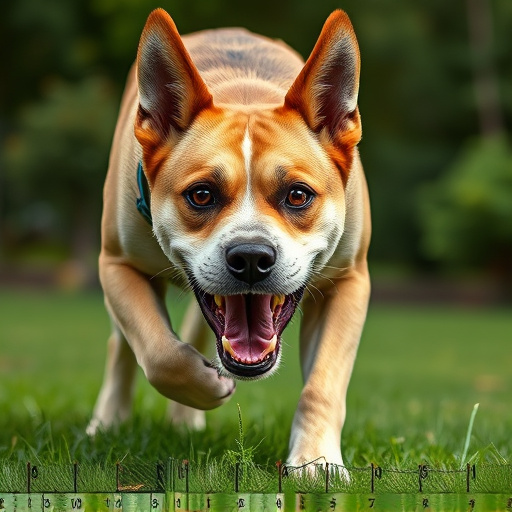
Handheld sonic dog deterrents, emitting high-frequency sound waves (22-52 kHz) above 40 kHz, safely and effectively keep dogs away from specific areas during walks. Their ultrasonic frequency irritates dogs but is harmless to humans. Regular use in dog-present areas, consistent walking pace, and combining with visual aids or training can enhance their success rates, making them ideal for public spaces, parks, and areas where dogs aren't permitted.
“Enhance your walking experience and ensure safety with handheld sonic dog deterrents—a revolutionary tool in managing canine encounters. This article explores the understanding and effectiveness of these ultrasonic devices, offering insights into their real-world performance.
Learn how these innovative repellents emit high-frequency sound waves to deter dogs, ensuring a peaceful stroll. We’ll delve into best practices for optimal use, highlighting tips to maximize their effectiveness while walking. Uncover the truth about their efficiency and discover why they’re becoming a game-changer for pet owners.”
- Understanding Handheld Sonic Dog Deterrents
- How Effective Are These Devices in Real-World Scenarios?
- Best Practices for Using a Ultrasonic Dog Repellent While Walking
Understanding Handheld Sonic Dog Deterrents
Handheld sonic dog deterrents have gained popularity as a safe and effective way to keep dogs away from certain areas during walks. These devices emit high-frequency sound waves that are unpleasant for dogs, encouraging them to steer clear without causing harm. The effectiveness of these deterrents lies in their ability to target specific behaviors, such as barking or aggressive posturing, while remaining harmless to humans and other pets.
The technology behind handheld sonic dog deterrents is based on a principle called sound pressure level (SPL). By emitting sounds above 40 kHz—beyond the range of human hearing but within the sensitive range of dogs—these devices create a mild discomfort that disrupts a dog’s behavior pattern without causing any physical harm. This makes them ideal for use in public spaces, parks, or during walks near areas where dogs are not permitted.
How Effective Are These Devices in Real-World Scenarios?
In real-world scenarios, handheld sonic dog deterrents have shown significant effectiveness in repelling dogs and enhancing walking safety. These devices emit high-frequency sound waves that are unpleasant to canines but virtually imperceptible to humans. Studies have demonstrated their success in various environments, from parks and trails to residential neighborhoods, by deterring dogs from approaching within a certain range.
The handheld nature of these devices allows users to respond quickly and discreetly to potential dog encounters. Users can simply activate the device when a dog approaches, often scaring them away before any direct interaction or conflict occurs. This level of prevention is crucial for individuals who enjoy outdoor activities but are concerned about their safety around unfamiliar dogs. Moreover, such deterrents can be a humane alternative to traditional repellents that may cause harm or stress to animals.
Best Practices for Using a Ultrasonic Dog Repellent While Walking
When utilizing a handheld sonic dog deterrent while walking, consistency is key. Regularly use the device in areas known for dog presence to reinforce its effectiveness. The ultrasonic frequency range, typically between 22-52 kHz, is designed to be irritating to dogs but generally harmless to humans and other animals. To maximize results, maintain a steady pace while walking, as this can help ensure consistent activation of the device.
Keep in mind that different dogs may have varying sensitivities to ultrasonic sounds. While many find the deterrent effective, some larger breeds or those with heightened senses might not be affected. In such cases, combining the sonic deterrent with visual deterrents like spray or noise-making objects can prove more successful. Regular training and positive reinforcement for your dog can also help in the long run, making them less inclined to react to ultrasonic repellents.
Ultrasonic dog repellents offer a safe and non-harmful way to deter canine interruptions while walking. Their effectiveness in real-world scenarios is promising, with many users reporting positive results. By employing best practices, such as maintaining consistent usage and choosing the right frequency range, these handheld sonic devices can significantly improve outdoor walking experiences for both pets and their owners. When it comes to understanding handheld sonic dog deterrents and their effectiveness, prioritizing safety and consistency is key to achieving a peaceful and enjoyable walk.