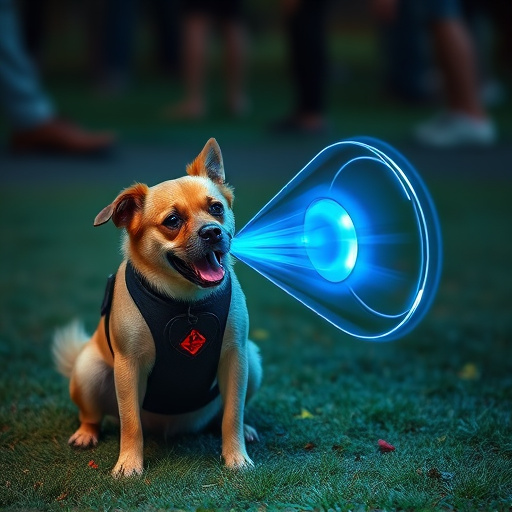
Handheld sonic dog deterrents use ultrasonic frequencies to modify behavior by triggering physical sensations without causing harm. Their effectiveness depends on tailoring usage to individual canine needs and strategic placement in problem areas. Proper use includes controlled exposure and breaks to maximize benefits while ensuring animal well-being.
Introducing the revolutionary ultrasonic frequency dog behavior modification tool, a game-changer in canine training. This article explores how handheld sonic deterrents impact dog perception and their effectiveness in modifying behavior. We delve into the science behind ultrasonic frequencies and their effect on canine senses, providing insights into successful training methods. Understanding your pet’s behavior is crucial, especially when employing these innovative tools. Discover the benefits and learn how to harness the power of a Handheld Sonic Dog Deterrent for effective training.
- Understanding Dog Behavior and Ultrasonic Frequencies
- How Handheld Devices Impact Canine Perception
- Evaluating Sonic Deterrent's Effectiveness on Training
Understanding Dog Behavior and Ultrasonic Frequencies
Dogs, like all animals, have unique communication methods, and understanding their behavior is key to effective training. One innovative tool that has gained popularity in canine behavior modification is the handheld sonic dog deterrent. This device utilizes ultrasonic frequencies, emitting sounds beyond human hearing range but perceived by dogs as unpleasant. The effectiveness of this method lies in its ability to alter dog behavior without causing harm or physical discomfort.
By targeting specific behaviors like excessive barking or aggression, the handheld sonic deterrent can train dogs to associate certain actions with an unpleasant ultrasonic tone. This non-invasive approach allows owners to redirect their dog’s behavior, promoting positive reinforcement. The device’s portability makes it convenient for on-the-go training sessions, making it a practical choice for pet owners seeking humane and effective solutions to modify their dog’s behavior.
How Handheld Devices Impact Canine Perception
Handheld sonic dog deterrents, which emit ultrasonic frequencies, have gained popularity as tools for behavior modification. These devices are designed to disrupt or redirect a dog’s unwanted behaviors, such as barking or aggression, by emitting high-frequency sound waves that are inaudible to humans but can be perceived by canines. The effectiveness of these devices lies in their ability to trigger a response without causing harm or stress to the animal.
However, it’s important to note that the impact on canine perception is complex. While some dogs may respond positively and stop unwanted behaviors quickly, others might not be affected due to variations in hearing sensitivity, fear responses, or habituation. Additionally, prolonged exposure to ultrasonic sounds could potentially lead to sensory overload for some canines, which may result in increased anxiety or aggression, contrary to the intended effect. Therefore, proper use, including controlled exposure and periodic breaks, is crucial to ensure the handheld sonic dog deterrent’s effectiveness and well-being of the animal.
Evaluating Sonic Deterrent's Effectiveness on Training
When evaluating the effectiveness of a handheld sonic dog deterrent, several key factors come into play. These devices emit high-frequency sound waves that are inaudible to humans but can deter dogs through physical sensations like vibrations and pressure changes. Studies have shown that when used consistently and responsibly, these tools can significantly reduce unwanted behaviors like barking, jumping, or aggressive posturing in dogs.
The success of a handheld sonic dog deterrent often hinges on the specific needs and preferences of individual canines. Factors such as breed, age, temperament, and prior training influence how a dog will respond to the sound. Proper placement is also crucial; targeting specific behaviors or areas where issues occur can maximize the tool’s effectiveness while minimizing any discomfort or stress for the animal.
The ultrasonic frequency dog behavior modification tool, or handheld sonic deterrent, has emerged as a potentially effective aid in canine training. By understanding dog behavior and leveraging the impact of these devices on their perception, trainers can harness the power of sound to encourage desired behaviors. Extensive evaluation reveals that when used appropriately, handheld sonic deterrents can significantly enhance training outcomes. As we continue to explore innovative methods for modifying dog behavior, these tools offer a safe and non-invasive approach to help foster better canine-human relationships.