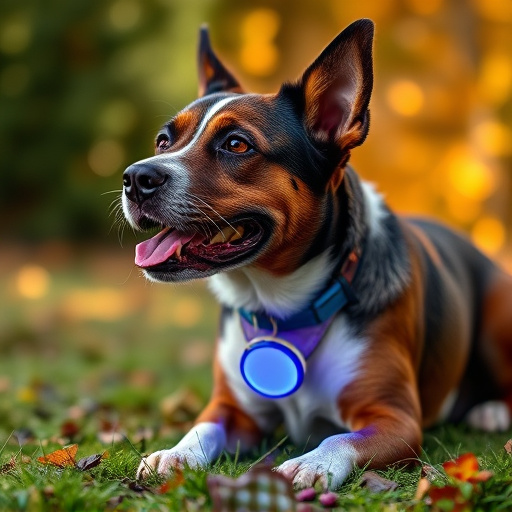
Handheld sonic dog deterrents use ultrasonic sound waves to disrupt barking and train dogs without harm. Effective for close ranges, they require real-world testing for optimal settings. Training involves building trust with positive reinforcement alongside the deterrent. This multi-faceted approach enhances device effectiveness by teaching dogs calm behavior.
“Revolutionize your dog training regimen with a multi-range bark control device—a game-changer for managing excessive barking. This article explores the effectiveness of handheld sonic deterrents, demystifying their operation and benefits. We’ll guide you through the advantages and potential drawbacks of these devices, offer testing tips to find the ideal range, and provide insights into training your dog with positive reinforcement techniques alongside the device. Discover how this technology can enhance your pet’s behavior.”
- Understanding Sonic Dog Deterrents: How They Work
- Handheld Devices: Advantages and Disadvantages
- Testing and Evaluating Different Range Options
- Training Your Dog: Combining Device with Positive Reinforcement
Understanding Sonic Dog Deterrents: How They Work
Sonic dog deterrents, also known as handheld ultrasonic devices, have gained popularity as a humane and effective way to control canine behavior. These innovative tools use sound waves to create an unpleasant yet harmless sensation for dogs, encouraging them to avoid certain areas or behaviors. The technology behind these devices is based on emitting high-frequency sound signals that are above the human hearing range but can be detected by dogs. When activated, the device emits a consistent and focused sound that disrupts a dog’s balance and triggers an instinctive response to flee.
The effectiveness of a handheld sonic dog deterrent lies in its ability to target specific behaviors or areas without causing physical harm. The ultrasonic waves create a virtual boundary, deterring dogs from approaching without any direct contact or consequence. This makes them particularly useful for managing off-leash dogs in parks, training sessions, or even at home when a pet is causing mischief. With adjustable settings that allow users to select different frequency ranges and intensity levels, these devices offer versatility to suit various situations and dog sensitivities.
Handheld Devices: Advantages and Disadvantages
Handheld devices, such as sonic dog deterrents, offer a convenient and non-lethal approach to barking control. Their portability allows for easy use in various settings, from backyards to public spaces, making them a popular choice for pet owners dealing with excessive barking. The main advantage lies in their effectiveness; the high-frequency sound waves can disrupt a dog’s focus and calm them down without causing harm. This method is particularly useful for training purposes, as it teaches dogs to associate certain environments or situations with a pleasant interruption of their barking.
However, there are some disadvantages to consider. The sonic deterrents may not work on all dogs, especially those with exceptional hearing or aggressive barking habits. Some pets might become desensitized over time, rendering the device less effective. Additionally, while handheld devices provide flexibility, they require active operation by the user, which can be a hassle in crowded areas where constant vigilance is needed. Despite these drawbacks, for their intended purpose and target audience, handheld sonic dog deterrents remain a viable option, especially when combined with other training methods and positive reinforcement.
Testing and Evaluating Different Range Options
When evaluating a bark control device with multiple range options, testing is paramount. Start by assessing each range setting to understand its effectiveness in different scenarios. For instance, a handheld sonic dog deterrent might work wonders at close ranges, creating an unpleasant high-frequency sound that disrupts barking. However, its efficacy diminishes with distance, making longer ranges ideal for outdoor spaces where dogs roam freely.
Evaluating these devices in real-world settings allows you to gauge their performance. Consider factors like environmental noise and the behavior of target dogs. For example, a device might be highly effective in a quiet garden but less so in a bustling park with constant background noise. Testing will help determine the optimal range setting for specific environments, ensuring both its functionality and minimal disruption to non-target animals and humans.
Training Your Dog: Combining Device with Positive Reinforcement
Training your dog involves more than just using a bark control device; it’s about building a positive relationship based on trust and understanding. When introducing a handheld sonic dog deterrent, combine its use with positive reinforcement techniques for best results. Start by teaching basic commands like “quiet” or “shh,” rewarding your dog with treats and praise each time they respond calmly to the command instead of barking.
Once your dog consistently associates these commands with positive outcomes, gradually introduce the device as a tool to reinforce calm behavior. Use it at lower settings first, only activating it when barking occurs, and always follow up with praise and treats for their silence. This multi-pronged approach—combining positive reinforcement with the handheld sonic deterrent—can enhance effectiveness by teaching your dog to associate specific actions (listening to commands, remaining quiet) with desirable outcomes (treats, affection).
When it comes to choosing a bark control device with multiple ranges, understanding your dog’s behavior and combining it with positive reinforcement training is key. Handheld sonic deterrents have proven effectiveness in managing excessive barking, offering both convenience and adjustable intensity levels. By testing different range options and integrating these devices into a comprehensive training routine, pet owners can achieve lasting results while fostering a happier, calmer canine companion.